
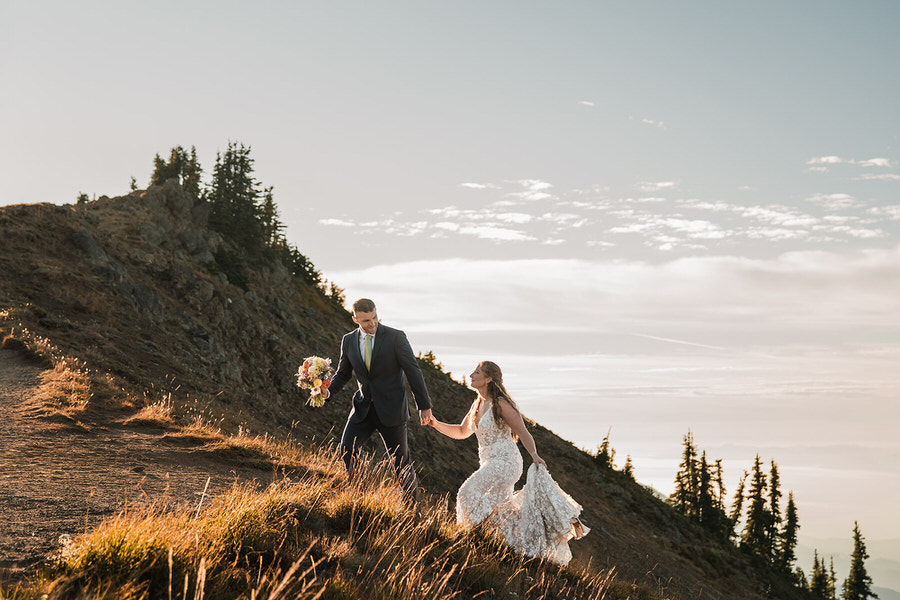
There is something really special about fall in Olympic National Park. The summer crowds begin to thin, the mornings turn crisp. Fall color starts creeping into the forests and mountains. Clouds settle between the peaks, and once the rain returns and the forests somehow become even greener. As someone who lives right outside Olympic National Park, fall is one of my favorite times of year here, and I think it’s seriously underrated for elopements. However, getting married here in September, October, or November does require a little flexibility. Fall in Olympic can give you golden sunshine, foggy forests, dramatic clouds, pouring rain, the first snow of the season…or some combination of all of those in a single day. If that sounds kind of amazing to you, keep reading!
Here’s what you need to know about planning a fall elopement in Olympic National Park.
What Is Fall Actually Like in Olympic National Park?
One of the most important things to understand about Olympic is that there really isn’t one Olympic National Park forecast. This park stretches from the Pacific Coast through temperate rainforest and all the way into the Olympic Mountains. It can be raining on the west coast while the sun is shining on Lake Crescent. The town of Port Angeles can be buried in fog while Hurricane Ridge sits above the clouds. And as fall progresses, it can be raining at lower elevations while snow is falling in the mountains. That’s part of the fun! But generally, you can expect temperatures to get cooler and precipitation to increase as we move from September into November.
September
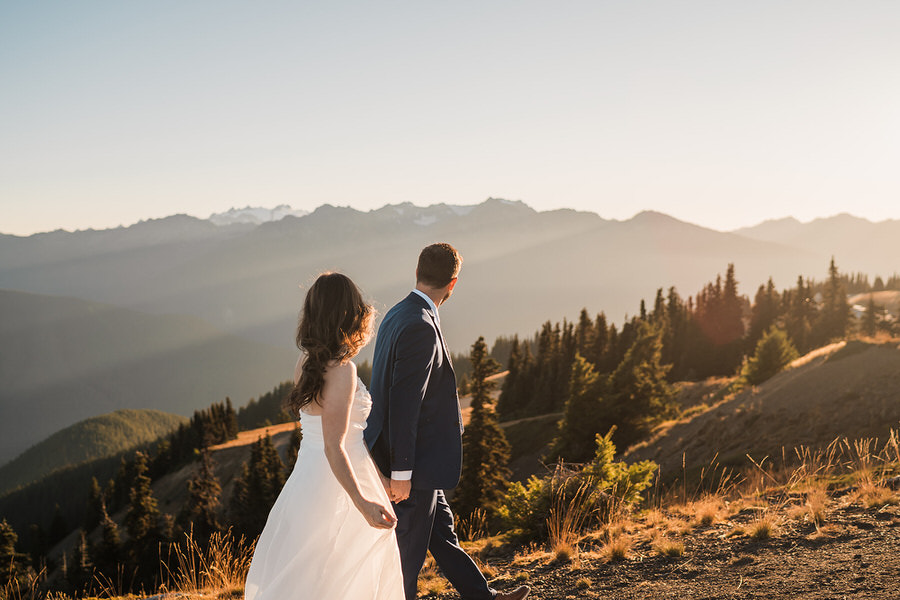
My very favorite! September can be one of the BEST months to get married in Olympic National Park. It often feels like an extension of summer, especially during the first half of the month. Days are still relatively long, the mountains are generally accessible, and we can absolutely still get warm, sunny weather. But you’ll start noticing those little hints of fall: cooler mornings, earlier sunsets, changing vegetation in the mountains, and fewer of the peak-summer crowds. If you want the most flexibility for combining mountains, lakes, forests, and beaches, September is probably my favorite fall month.


October
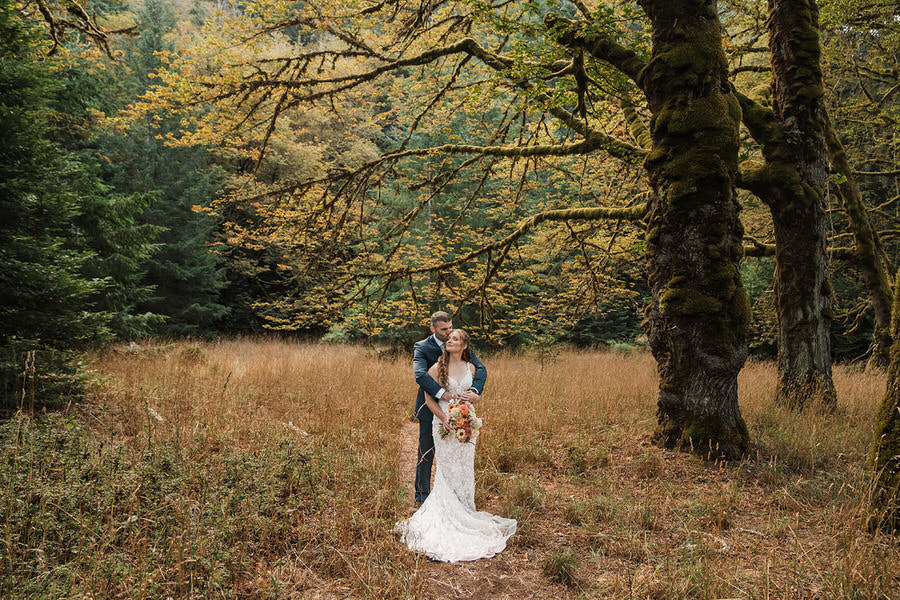
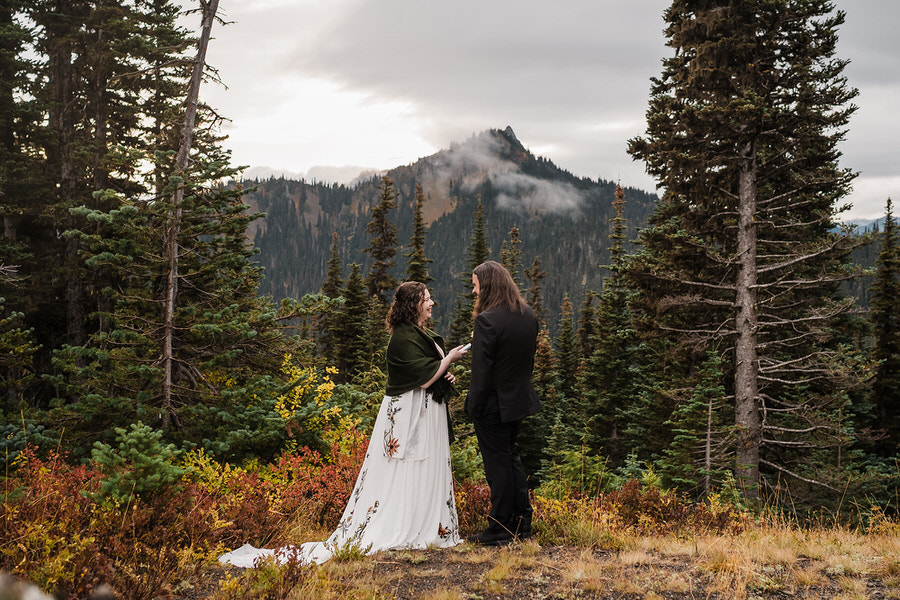
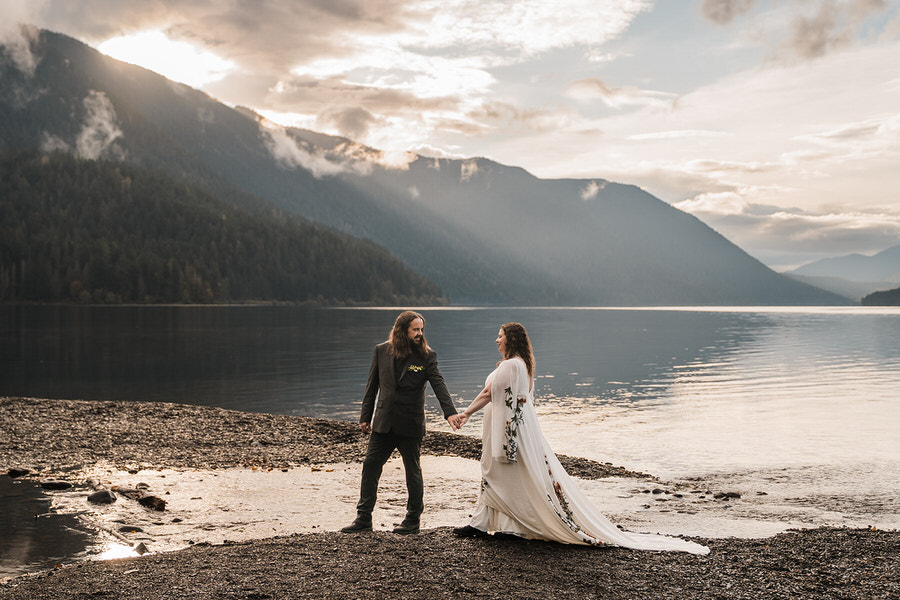
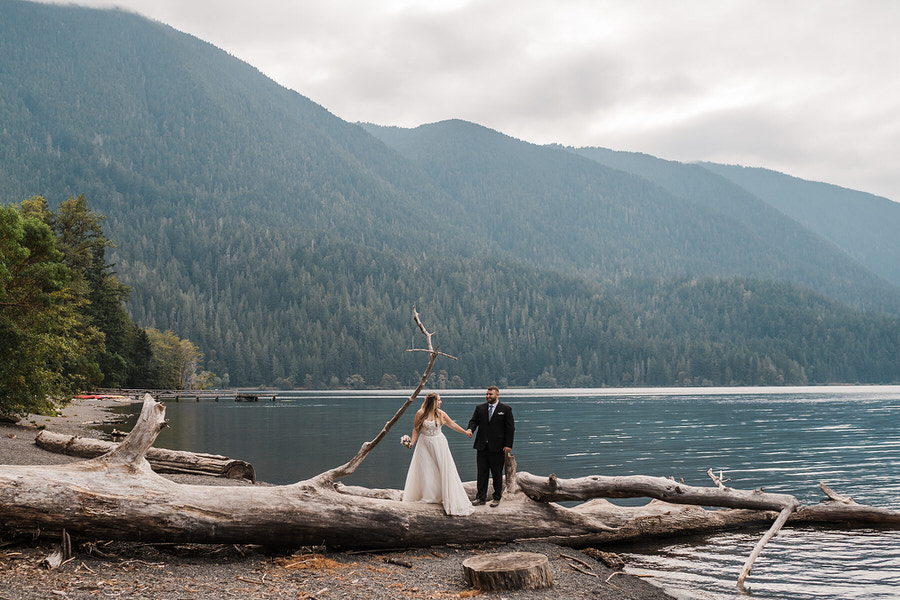
October is when things start feeling unmistakably like fall. Temperatures cool down. Rain becomes more likely. The forests get moodier. Fall color becomes more noticeable, particularly around Lake Crescent, the Elwha Valley, and in the mountains. This is when you really want to embrace the possibility of weather rather than hoping for a perfectly sunny day. And photographically? I LOVE it. Low clouds wrapping around the mountains, mist hovering over Lake Crescent, wet moss glowing in the forest, and those dramatic breaks of sunlight after a storm can be incredible.

November
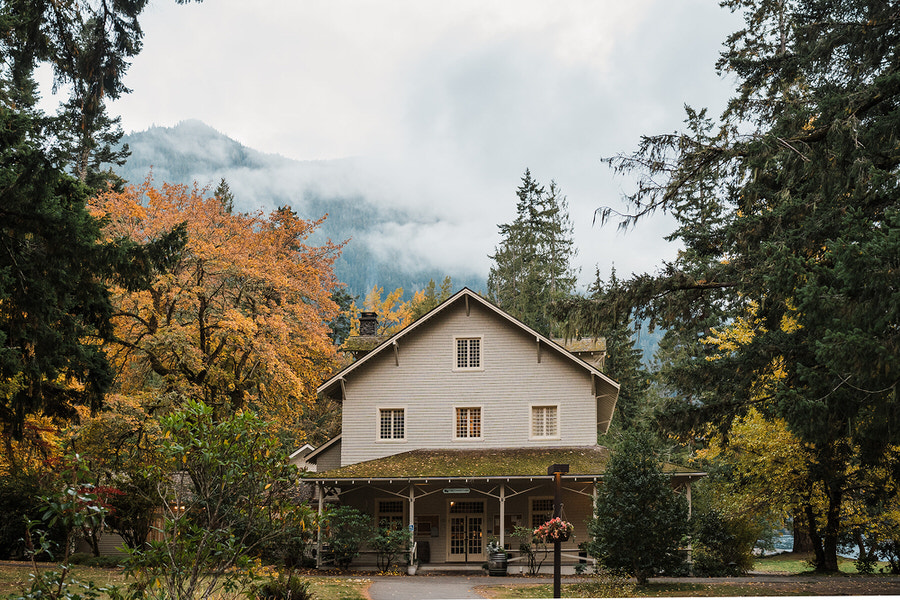
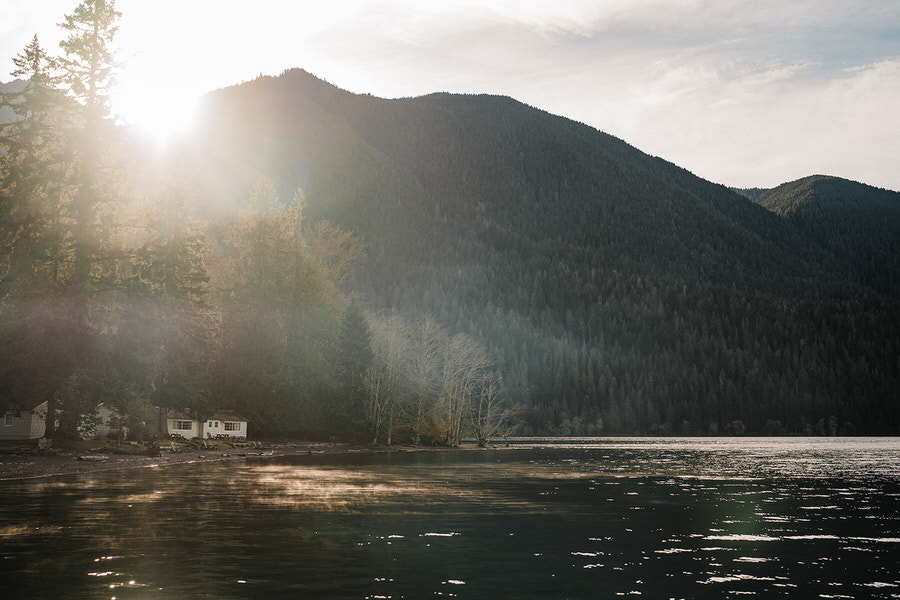
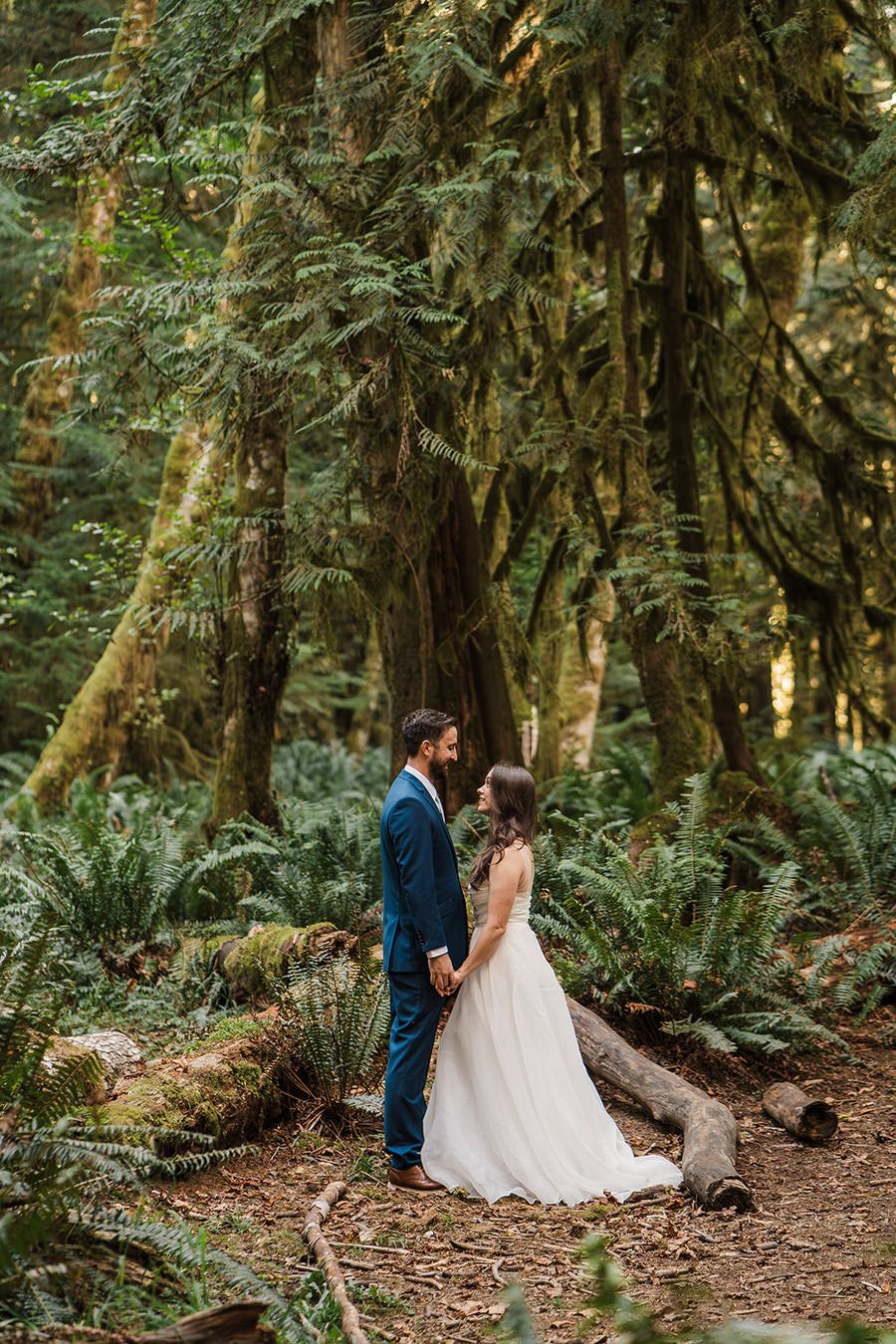
By November, we’re starting to flirt with winter. Expect cooler temperatures, considerably shorter days, and a much greater likelihood of rain at lower elevations. Snow and freezing conditions become increasingly possible in the mountains. That doesn’t mean you shouldn’t elope here in November. It just means I approach planning a November elopement differently than I would one in September. Instead of building the entire day around high-elevation mountain access, I tend to lean toward lower-elevation locations like Lake Crescent, the forests, rivers, waterfalls, and coast — and treat any mountain adventure as a bonus if conditions cooperate. November can be beautifully moody and wonderfully uncrowded. You just have to be ready to let Olympic decide what kind of day it’s going to give you!
What About Fall Color
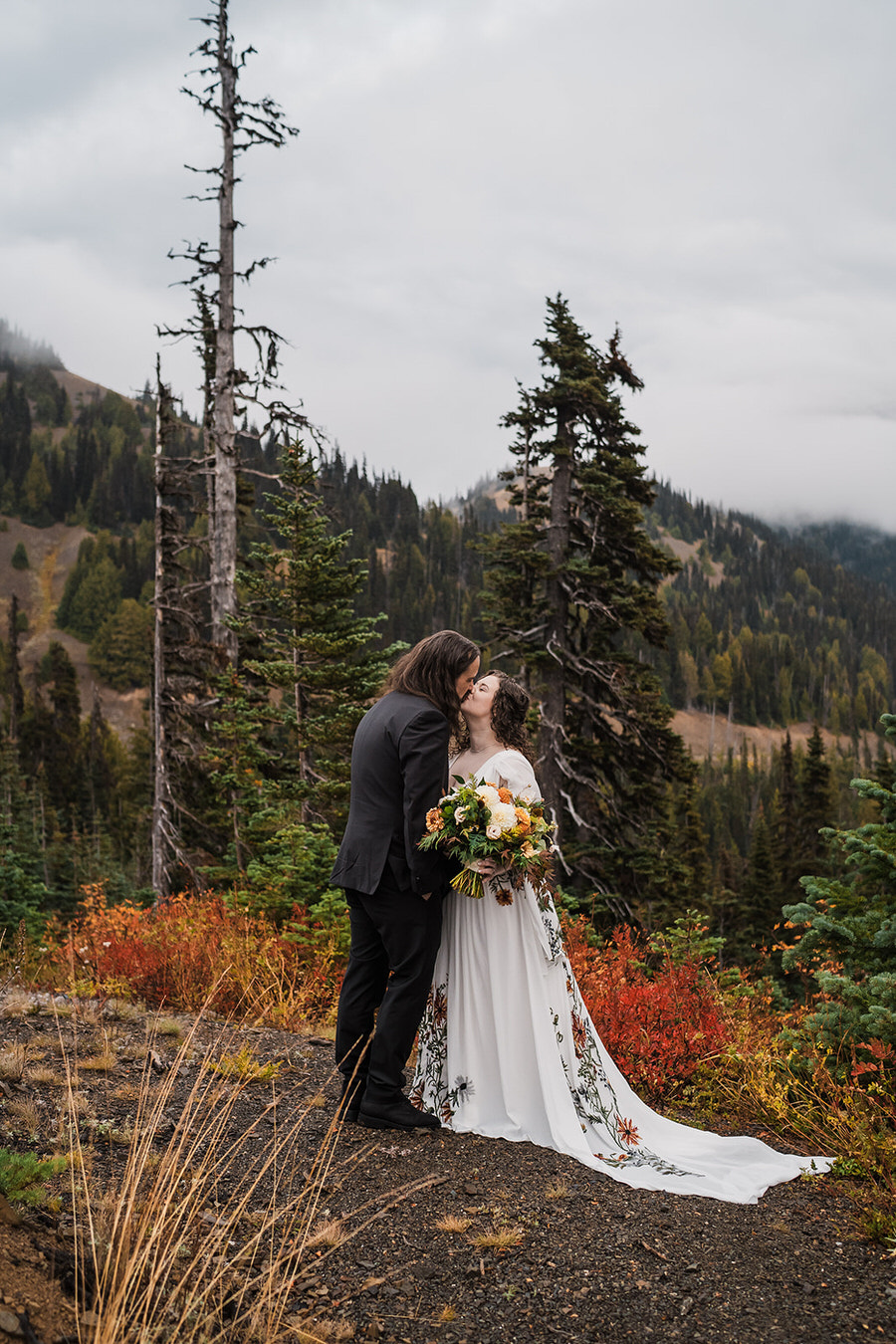
Here’s where Olympic National Park is a little different from places known for huge displays of red and orange deciduous trees. We’re surrounded by evergreens. So don’t expect the entire landscape to suddenly turn orange in October. Instead, fall color appears in pockets throughout the park. You’ll find yellows and golds among the deciduous trees around Lake Crescent and the river valleys. The understory changes color. Huckleberry bushes can turn brilliant shades of red in the mountains. Meadows shift from summer green toward warm gold. Add those colors to deep green forests, blue water, fog, and potentially fresh snow on the mountains and you get a landscape that feels distinctly fall without looking like New England. It’s one of my favorite seasonal transitions to photograph.
Yes, it Might Rain on Your Fall Elopement
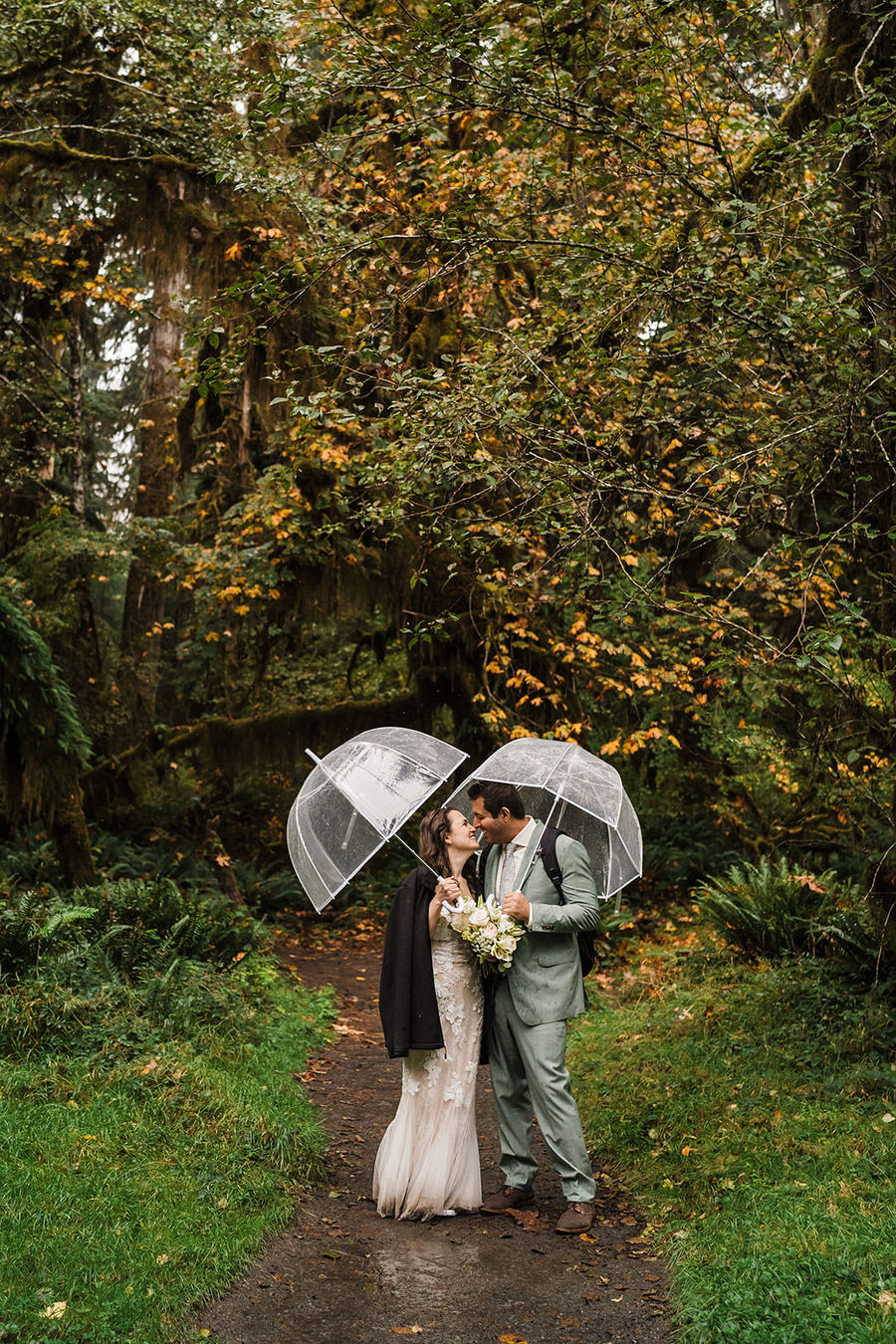
Let’s talk about the elephant in the room. Rain. If you’re planning an Olympic National Park elopement in the fall, particularly in October or November, you need to be okay with the possibility that it will rain on your wedding day. But here’s something I tell my couples all the time: Rain does not automatically ruin an elopement. Some of my favorite conditions to photograph happen right before, during, or after rain. The forests become incredibly saturated. The moss practically glows. Clouds create beautiful soft light. Fog can move through the trees and mountains. Waterfalls get bigger. And sometimes we get those incredible moments when a storm clears and the sun suddenly breaks through. We don’t need a cloudless blue sky to have an amazing day in Olympic. What we DO need is a plan that allows us to work with whatever weather shows up. For each elopement I photograph, I come up with a plan B (and sometimes C) for the day, and also pack along my cute clear umbrellas for couples to use in case a few raindrops show up.
Shorter Days Mean Your Timeline Matters
One of the biggest differences between a summer and fall elopement here isn’t actually the weather, it’s the amount of daylight. In the middle of summer, we have an enormous amount of daylight to work with. By late fall, especially when Daylight Savings Time ends in early November, that window gets dramatically shorter. That means we’re more intentional about your timeline. Instead of automatically planning a huge midday break like I sometimes do during long summer elopements, we may keep the day moving so we can take advantage of the available light. If we’re visiting multiple locations, we’ll also pay close attention to drive times. Olympic National Park is HUGE, and there are no roads that cut directly through the center of it. Trying to squeeze the Hoh Rain Forest, Lake Crescent, Hurricane Ridge, and the coast into one short November day isn’t going to create a relaxed experience. I’d much rather choose two areas that work beautifully
together and actually give you time to enjoy them.
What Should You Wear for a Fall Elopement?
Layers. Layers. Layers. Even if the forecast looks relatively mild, temperatures can feel dramatically different between the lakeshore, forest, coast, and mountains (this applies for summer also!) For the adventure portions of your day, I recommend having things like:
- A warm jacket or puffy (all seasons)
- Base layers or leggings you can wear underneath wedding clothes
- Waterproof hiking boots or sturdy shoes
- Wool socks
- A rain shell
- Hand warmers on colder days
- An umbrella
- Dry socks and/or shoes waiting in the car
And don’t be afraid to actually wear the jacket! I promise I will photograph plenty of beautiful images of you in your wedding clothes. But your wedding day isn’t a photoshoot where you’re expected to stand around freezing for eight hours. Being warm, comfortable, and able to enjoy yourselves matters. Plus, a wedding dress with hiking boots and a puffy jacket in the mountains? Very Olympic National Park 🙂
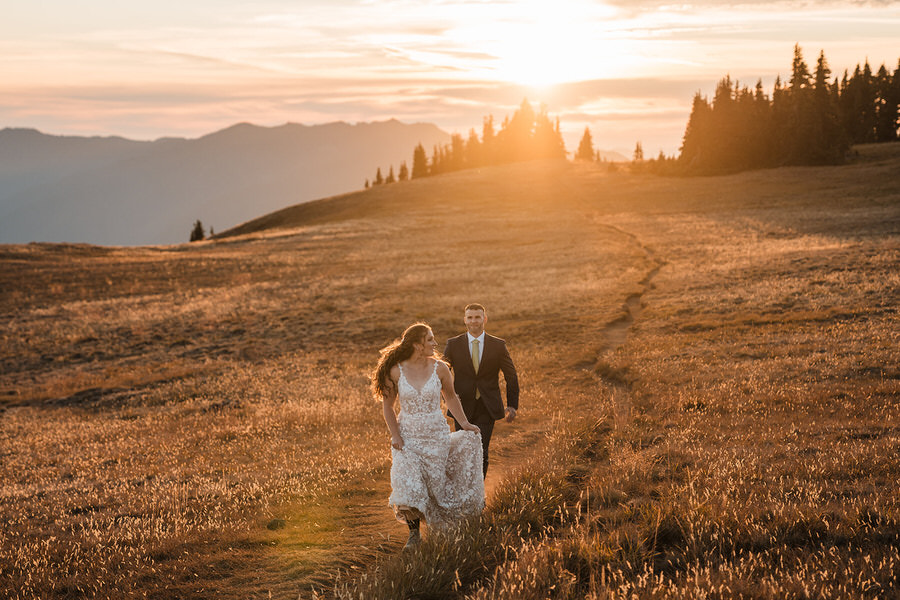
Choosing Your Fall Elopement Locations
Location planning becomes increasingly important as we move deeper into fall.
Lake Crescent
Lake Crescent is one of my favorite fall options. You get mountains, water, mossy forest, waterfalls, and several ceremony locations within the same general area. It’s also at a lower elevation, which makes it much more dependable later in the season than some of our mountain locations.

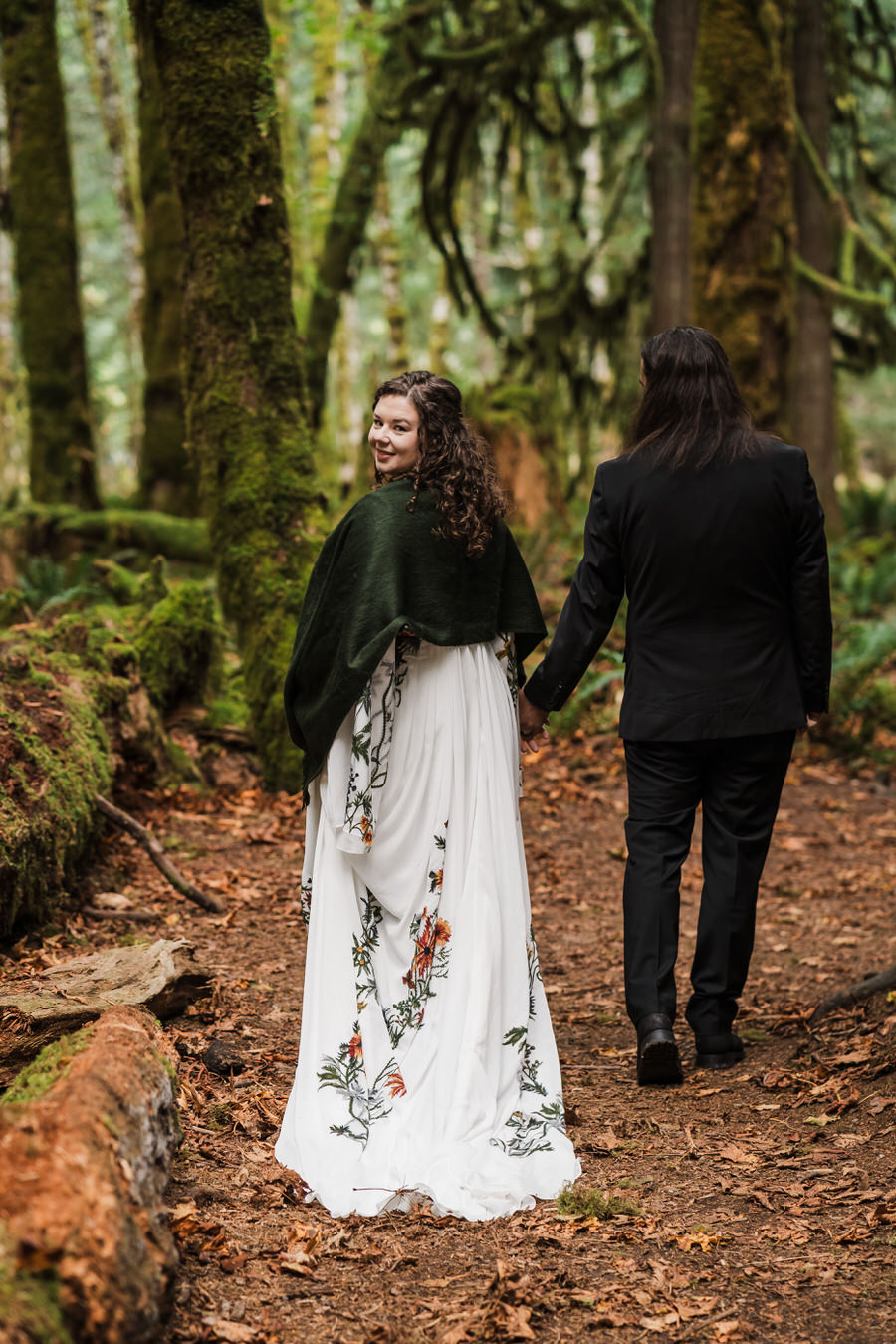
The Rainforests
Fall and rainforest are a pretty magical combination. Once the wetter weather returns, everything becomes incredibly lush. The Hoh, Quinault, and other forested areas can be beautiful choices if you’re leaning into the moody PNW experience. Just bring rain gear.
The Coast
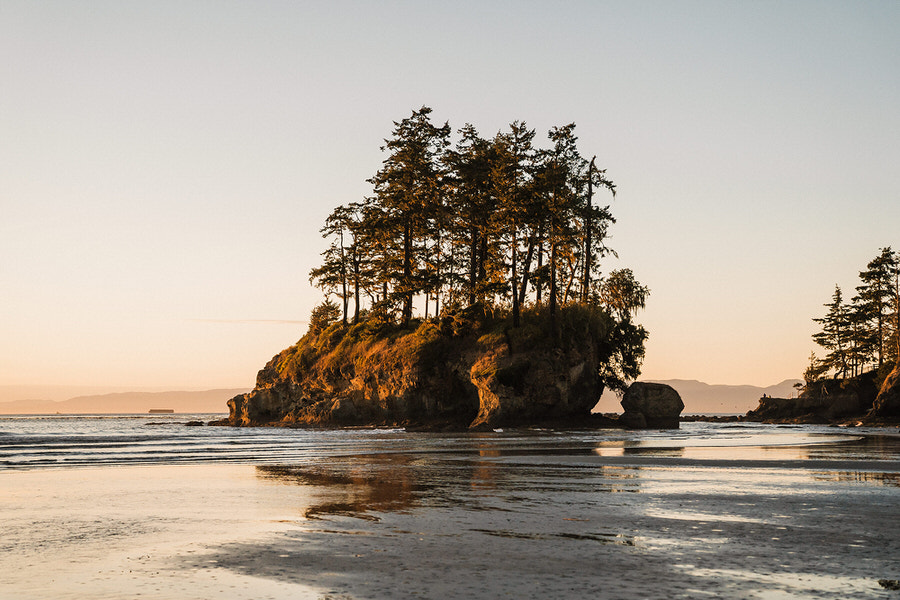
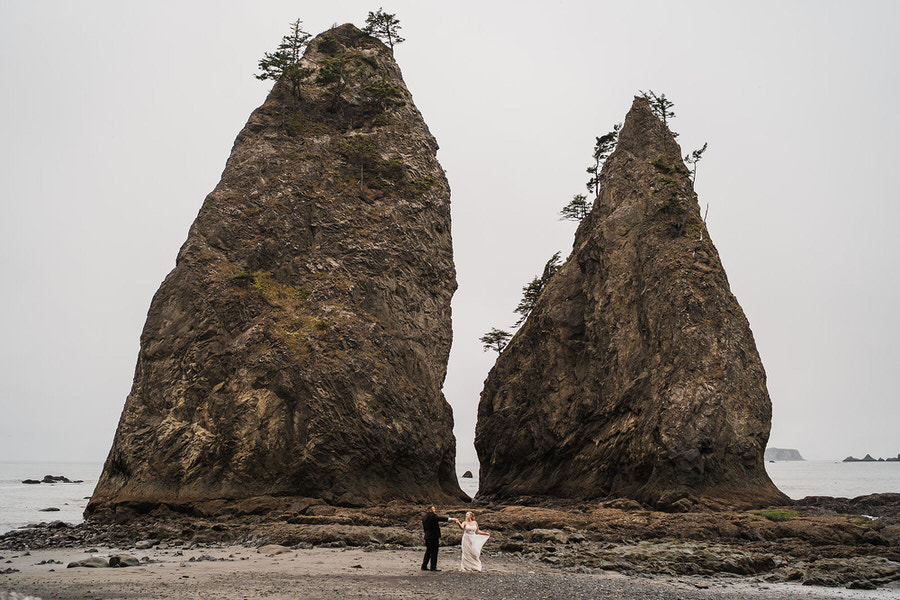
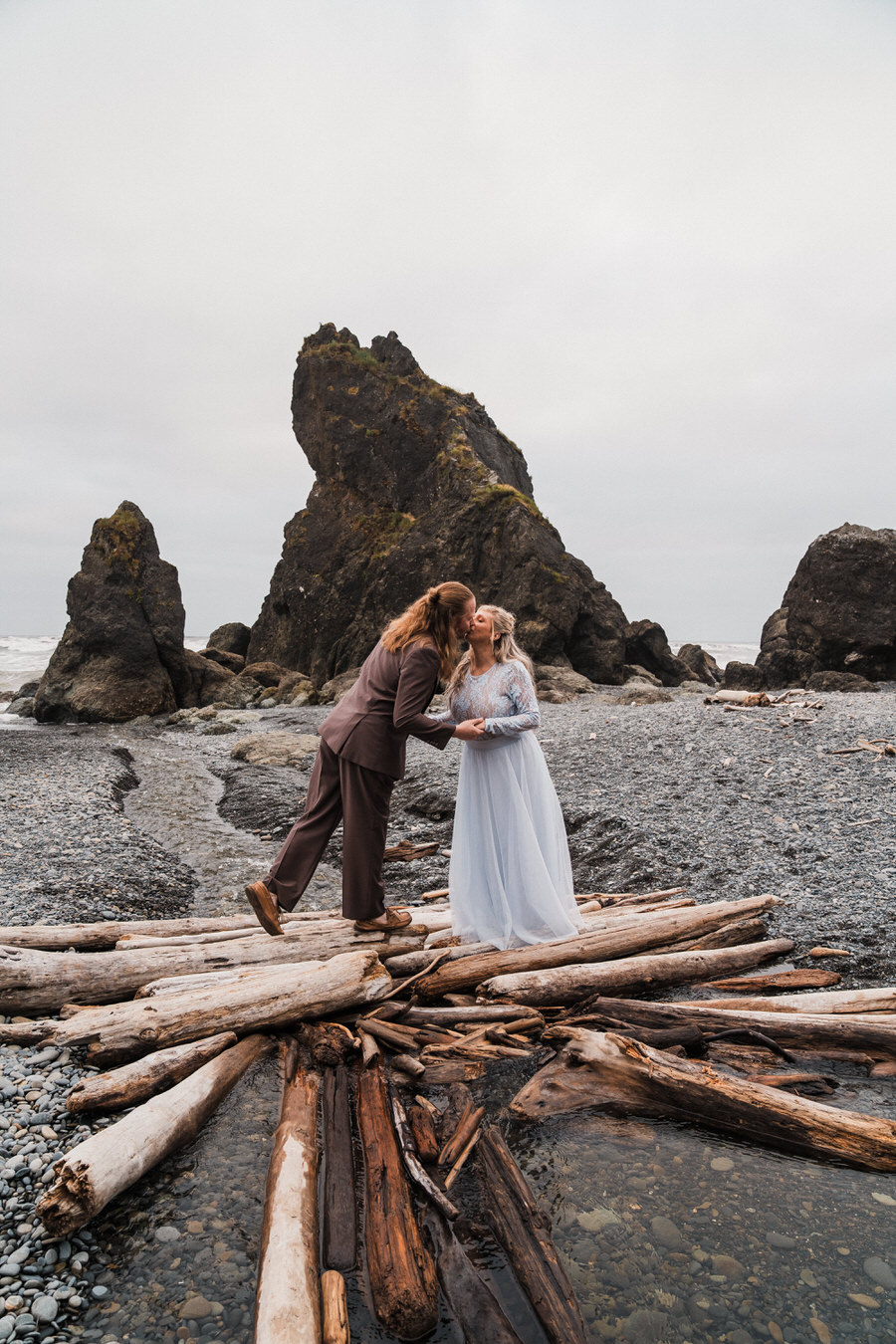
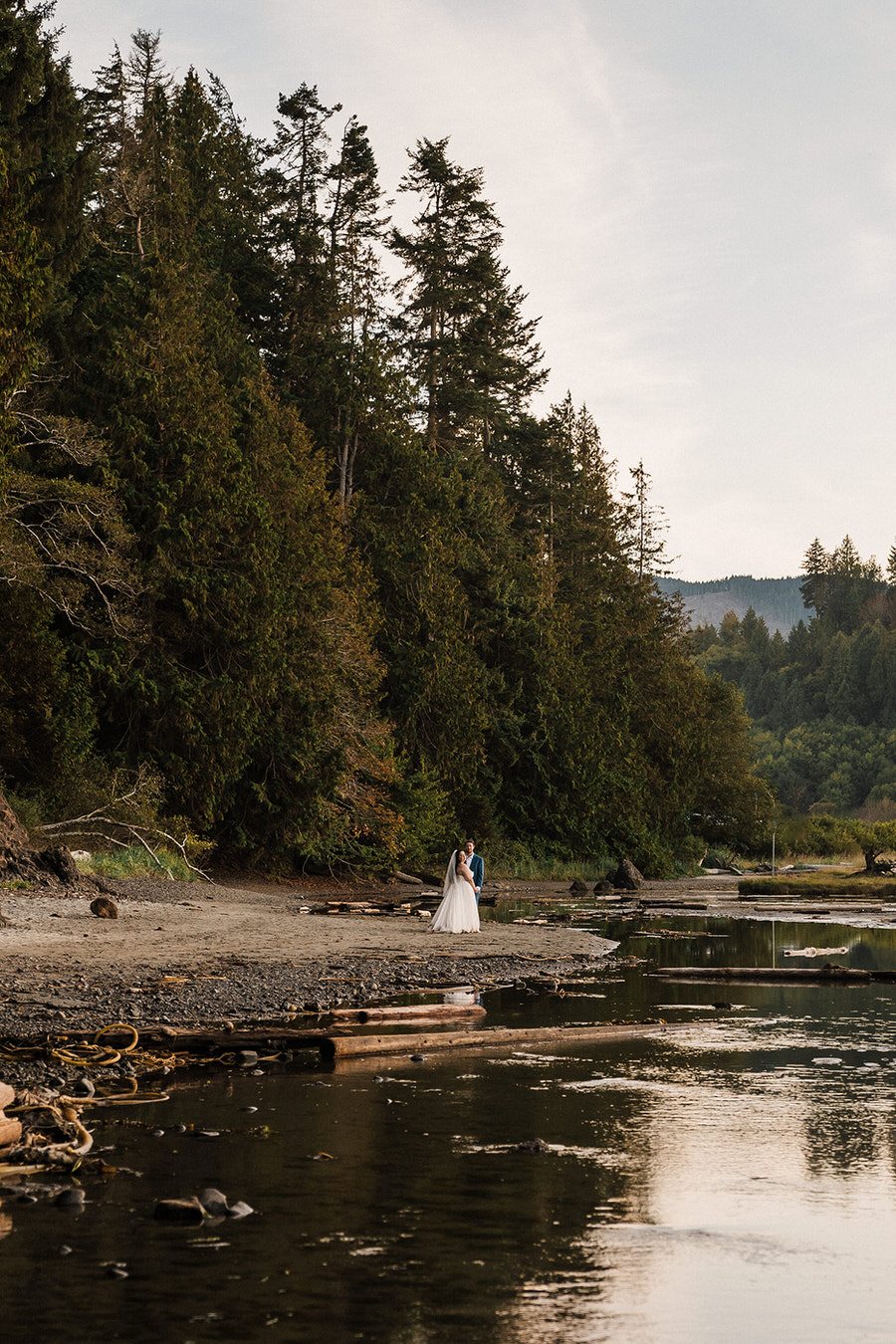
The Washington coast in fall can be WILD — in the best way. Think dramatic clouds, wind, giant driftwood, sea stacks, crashing waves, and beaches that feel much quieter than they do in peak summer. But fall also means paying particularly close attention to weather and tides. If a major storm is moving through, we may need to adjust our plans.
Hurricane Ridge + Higher Elevations
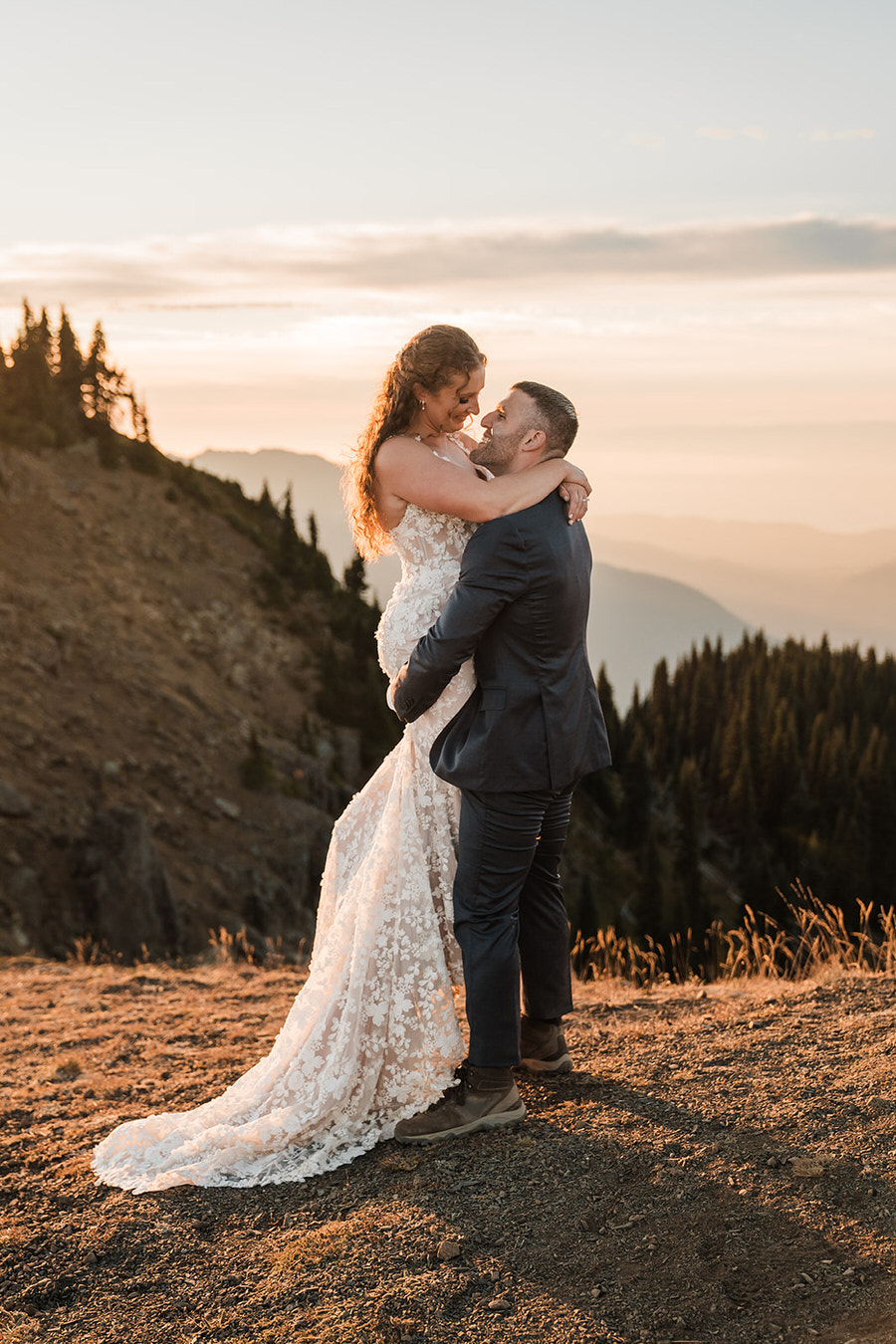
This is where flexibility becomes especially important. September can still provide incredible access to the mountains, but snow can arrive in the high country surprisingly early. As we move into October and November, I never want a couple’s entire wedding day hinging on one mountain location being accessible. The roads can close on short notice if snow is in the forecast. If the mountains are your priority, earlier fall gives us better odds. Later in the season, we’ll create a plan that is amazing even if snow, ice, road conditions, or weather mean we can’t get where we originally hoped.
Have a Solid Backup Plan
For a fall elopement, I don’t want your backup plan to feel like the disappointing version of your wedding day. It should be another option you’d genuinely be excited about. Maybe Plan A is sunset in the mountains and Plan B is wandering through a misty forest beside Lake Crescent. Maybe we plan for the coast but have an inland option if a major storm rolls in. Sometimes the backup plan isn’t even changing locations. It might simply mean rearranging the timeline so we visit a particular area during a better weather window. This is where having someone who knows the park really matters. I’m constantly looking at weather patterns, road conditions, webcams, trail conditions, and what is happening in different parts of the park. Sometimes moving an hour earlier – or driving 30 miles in another direction – can completely change what we experience!
Why Fall Is One of the Most Underrated Times to Elope in Olympic National Park
Summer gets a lot of attention here, and for good reason. But fall has its own kind of magic. There are fewer people. The light gets softer and the forests feel lush. The mountains start getting their first dustings of snow. The weather creates atmosphere you simply don’t get on a clear July afternoon. And there’s something about pulling on a jacket, heading down a trail together, and embracing whatever Olympic throws at us that feels perfectly suited to an adventurous elopement. You don’t need perfect weather for an amazing wedding day. You need good layers, a flexible plan, and a willingness to lean into the experience. Give me fog, wind, and a little rain. Give me that moment when the clouds suddenly lift and we realize the mountains have been hiding behind them all afternoon. That’s fall in Olympic National Park. And it can make for one incredible wedding day.
Planning a fall Olympic National Park Elopement?
If you’re dreaming about crisp mountain air, mossy forests, waterfalls, moody beaches, fall color, or maybe even the first snow of the season, I’d love to help you put together an adventure that makes the most of this incredible time of year. As a local Olympic National Park elopement photographer, I’ll help you choose locations that make sense for the season, build a timeline around the available daylight, navigate backup plans, and adjust when Olympic inevitably decides to throw us a surprise. Because around here, a little unpredictability is part of the adventure.